Creating a relaxing home environment is essential for boosting your well-being and reducing daily stress. Your home should be a sanctuary—a place where you can unwind, recharge, and feel comfortable. Fortunately, even small changes can make a big difference in transforming your space into a calming retreat. In this post, we’ll explore practical tips to help you create a peaceful home atmosphere that supports your mental and emotional health.
Why a Relaxing Home Environment Matters
Your living space impacts your mood, energy levels, and overall sense of peace. A cluttered or chaotic home may leave you feeling overwhelmed, while an organized, soothing environment can promote relaxation and restful sleep. A relaxing home promotes mindfulness and allows you to disconnect from outside stressors.
Step 1: Declutter and Organize
One of the easiest ways to create a calming atmosphere is by decluttering your space.
– Clear surfaces: Keep tables, counters, and shelves tidy. A clean surface helps reduce visual noise.
– Organize storage: Use bins, baskets, or shelving units to store items neatly.
– Regularly donate or recycle: Get rid of things you no longer use or need to maintain a lighter, cleaner space.
Step 2: Choose Soothing Colors
Colors affect our emotions and energy. Soft, muted colors tend to be more calming.
– Neutrals and pastels: Shades of beige, soft gray, light blue, or gentle green create a tranquil vibe.
– Avoid overly bright colors: While some bright tones can energize, they might also feel distracting in a relaxation space.
– Use accent colors: Incorporate calming colors in pillows, rugs, or artwork to add warmth without overwhelming the senses.
Step 3: Incorporate Natural Elements
Bringing nature indoors can increase feelings of peace and well-being.
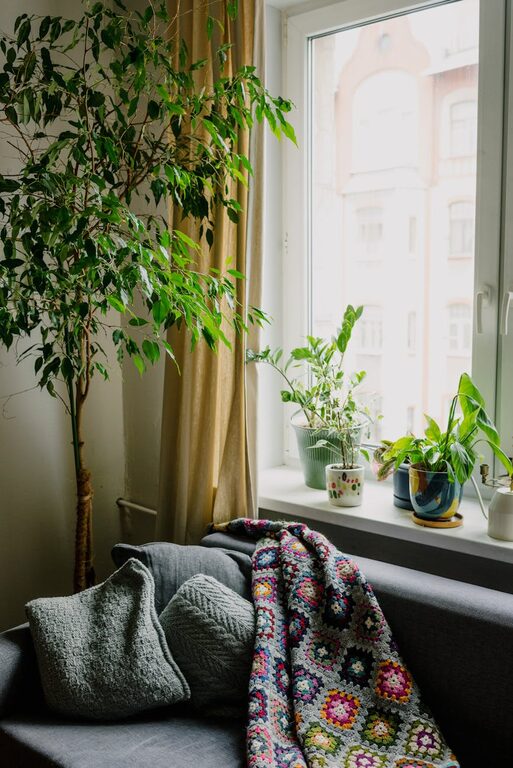
– Houseplants: Plants like snake plants or pothos are low-maintenance and improve air quality.
– Natural materials: Use wood, stone, or woven textures in furniture and decor for an organic feel.
– Natural light: Maximize sunlight during the day by keeping windows clear and using light curtains.
Step 4: Create Comfortable Zones
Designate specific areas in your home for different relaxing activities.
– Reading nook: A cozy chair with good lighting can encourage calming reading time.
– Meditation or yoga space: A quiet corner with a mat and cushions invites mindfulness practice.
– Sleep sanctuary: Invest in comfortable bedding and blackout curtains to improve your sleep quality.
Step 5: Pay Attention to Lighting
Lighting greatly influences ambiance.
– Soft, warm lighting: Use lamps with warm bulbs instead of harsh overhead lighting.
– Dimmer switches: These provide control over light intensity to suit different moods.
– Candles and fairy lights: Use them sparingly to create a soothing, gentle glow.
Step 6: Incorporate Calming Scents
Aromas can have a powerful effect on relaxation.
– Essential oils: Lavender, chamomile, and eucalyptus are popular for their calming properties.
– Scented candles: Choose natural soy candles with gentle fragrances.
– Fresh air: Open windows regularly to refresh the indoor air quality.
Step 7: Minimize Noise
A noisy environment can interfere with relaxation.
– Soft background sounds: Use white noise machines or nature sounds to mask disruptive noise.
– Thick curtains or rugs: These can help absorb sound and reduce echoes.
– Turn off electronics: Limit loud notifications and screens when unwinding.
Step 8: Personalize Your Space
Your home should reflect your tastes and interests.
– Display meaningful items: Photos, artwork, or souvenirs that bring joy enhance your mood.
– Incorporate comfort textiles: Soft blankets, cushy pillows, and cozy rugs add tactile comfort.
– Keep everyday essentials handy: Organizing your daily-use items reduces stress and streamlines routines.
Maintaining Your Relaxing Home
Creating a peaceful environment is an ongoing process. Schedule occasional tidying sessions and update your space to maintain its calming effect. Regular mindfulness about your surroundings helps you stay connected to the comfort your home provides.
—
By following these tips, your home will become a place where stress melts away and well-being thrives. A relaxing home environment is a valuable part of self-care, offering you a peaceful retreat after busy days. Start with small changes and enjoy the positive impact on your mood and health.